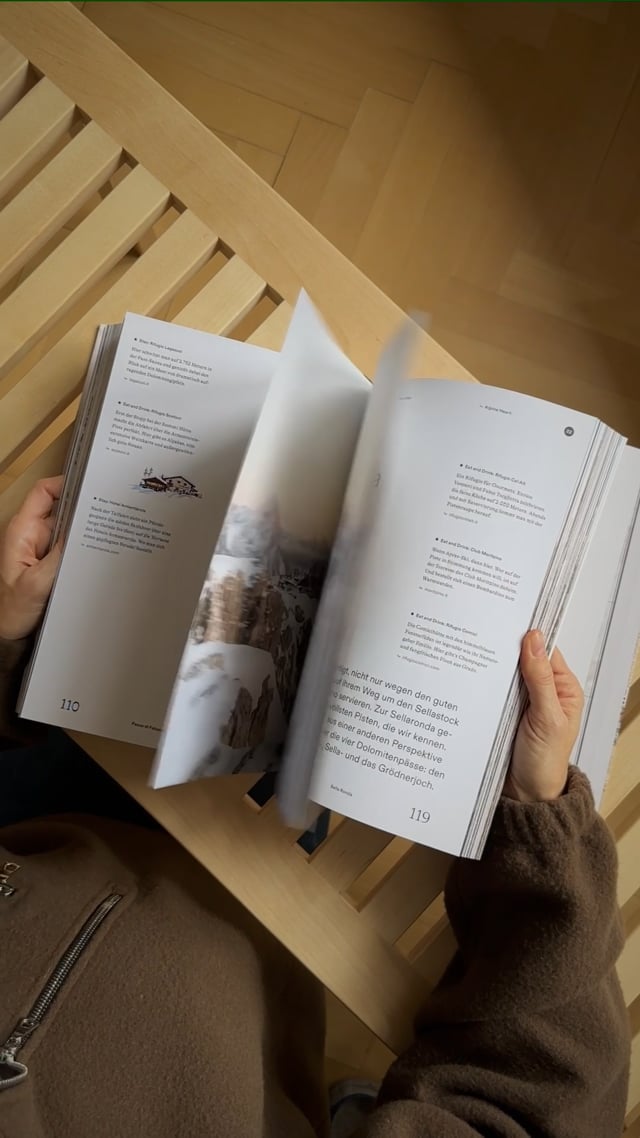
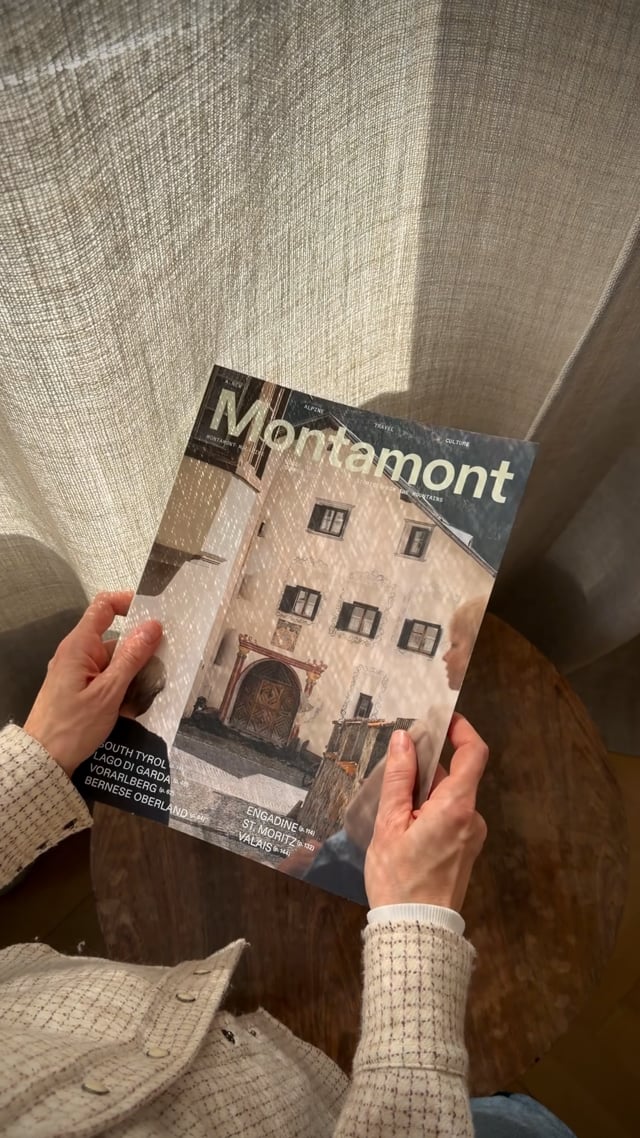
Fafleralp, Lötschental
The Renovation of
Hotel Langgletscher
Interview: with Christian Heller;
Photography: Mike Rabensteiner (Montamont)
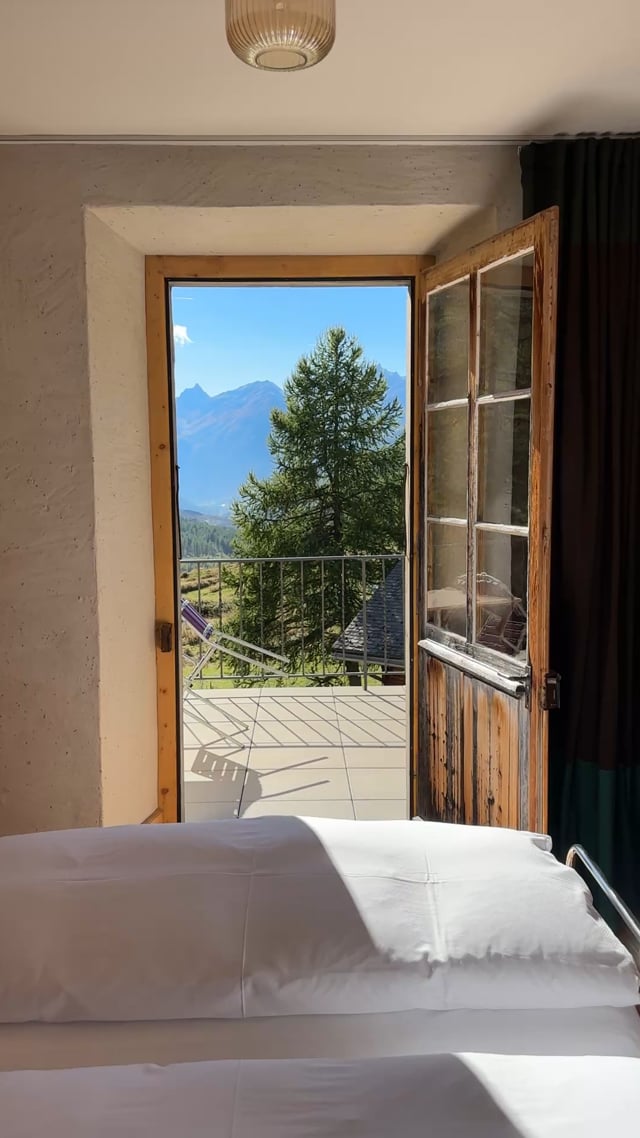
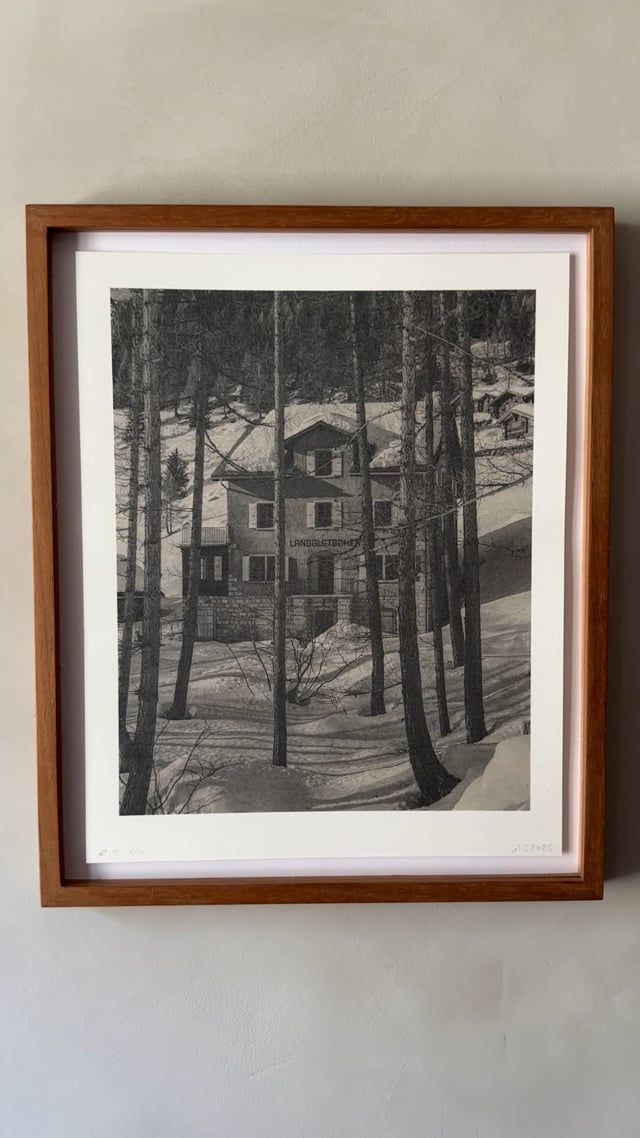
A short walk from Fafleralp sits Hotel Langgletscher, which opened in 1931. The architects from Atelier Loryplatz, Sandra Münger and Christian Heller, have given the building a new identity – a new dimension of material, light and space.


What was the concept behind the renovation?
The idea was to find a new language – to bring the house into the present while keeping great respect for what has endured for a hundred years. We believe there’s a reason why the Hotel Langgletscher still stands where it does. It sits here in the valley with a quiet certainty, like a rock in the current.
We developed the project from the existing structure, consciously subordinating ourselves to it. From that attitude, a new identity slowly emerged.
What defines the character of the house?
The Langgletscher remains an unheated stone house, a summer residence. Simplicity has always been part of its nature. It attracts people who value exactly that – qualitative simplicity. Not the many, but the ones who understand it. People who care about material, light, space – and honesty.


What story does the interior tell?
We worked with local weavers who created heavy, handwoven curtains on traditional wooden looms. The artist Adrian Scheidegger developed the colour concept – each room has its own palette, drawn from the flowers, mosses and stones of the landscape. The walls are coated in plaster made of sand from the Lonza river, mixed with lime – a translation of the rough exterior texture into the interior.
The furniture design draws from the 1930s and 40s – a period of transition where modernism and tradition touched. Steel frames, classic lines. We wanted to bring in the thought of simultaneity – to let the pieces speak of their time.
What does this place mean to you, especially after the landslide?
Blatten is shaken, its future uncertain. But up here, the sense of self-evidence remains. These houses simply stand. There are places where everything seems to pass by – and they are meaningful.